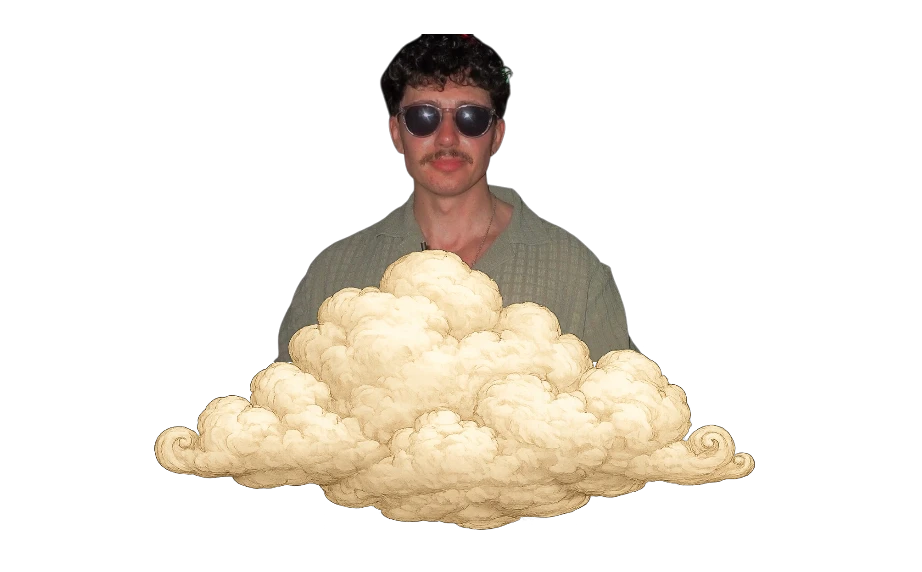
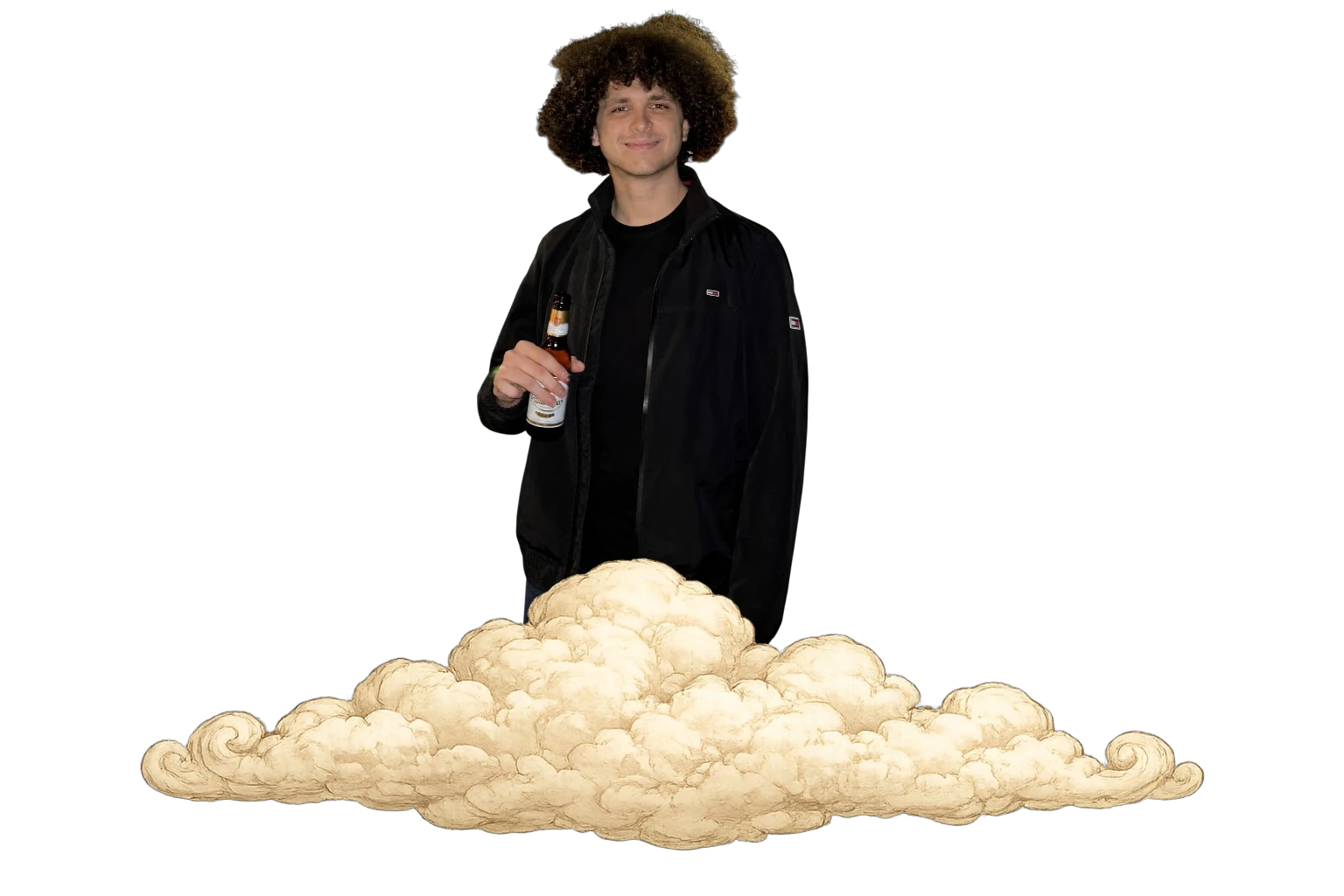
the human behind the marsupial
Hi, my name is Kesto.
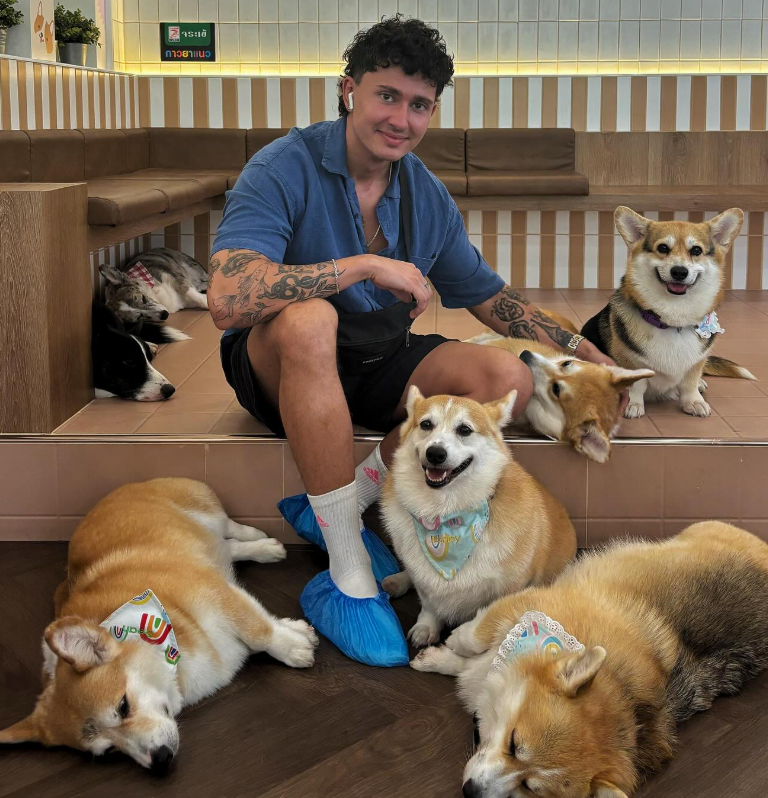
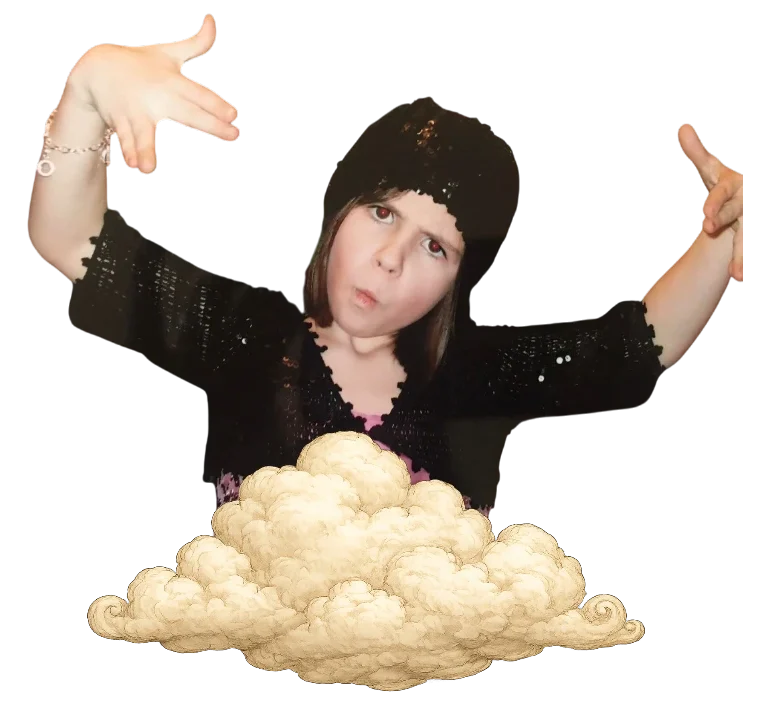
artist’s impression (accurate)
the mythos
Why Does This Exist?
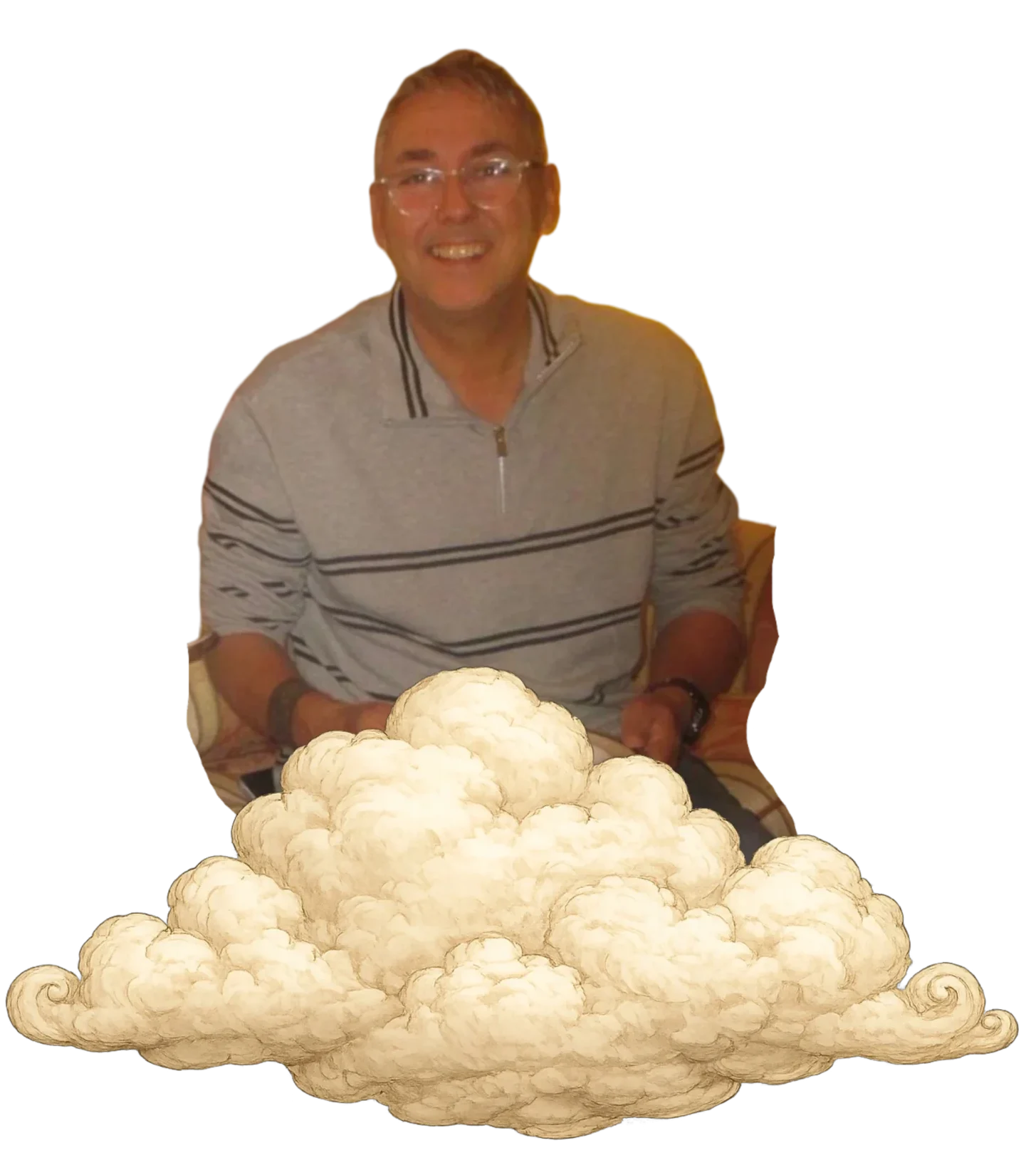
My dad is called Gary, and the first time I understood what this website is really for, it was because he lost a friend over three points on a driving licence.
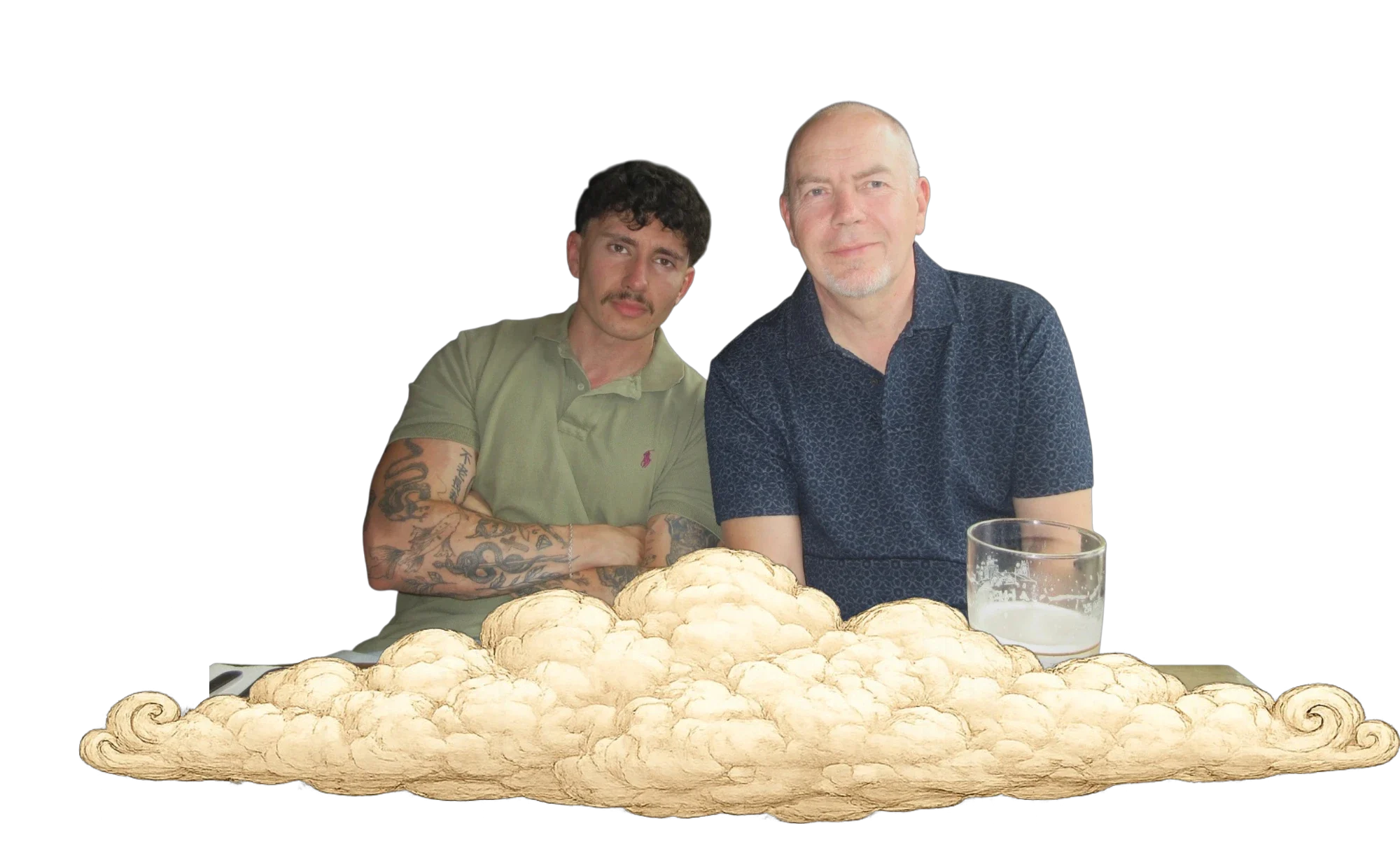
For thirty years his best mate was a man I will call Pete. Same pub, same jokes. If you had run any personality quiz ever printed on the two of them you would have got the same result twice and assumed the machine was broken. Then my dad was caught speeding one time too many, the licence his whole living stood on was about to go, and he asked Pete to do what mates round here have quietly done for one another for decades. Say you were driving. Take the points. Sign the form.
Pete, who would give you the coat off his back in a blizzard, said no. Not a flustered no. A quiet, sorry, immovable one. He could not put his name to a lie told to the law. Then he went home, and a thirty-year friendship never quite stood up straight again.
My dad was baffled, because every reading he had of Pete said yes. What he had never thought to look at was the only thing that decides what a person does when it costs them. My dad runs on outcomes: if it helps the people he loves and harms nobody he can see, it is right. Pete runs on rules: a line is a line, and you hold it hardest when holding it hurts. Same warmth. Opposite machines underneath.
I filed that away as a one-off. Then my grandad died, and I watched a whole family do the same thing at once.
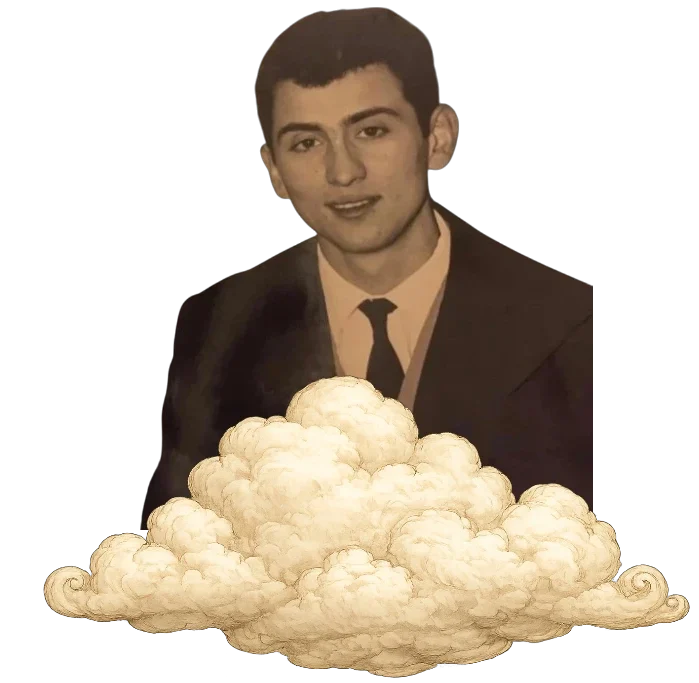
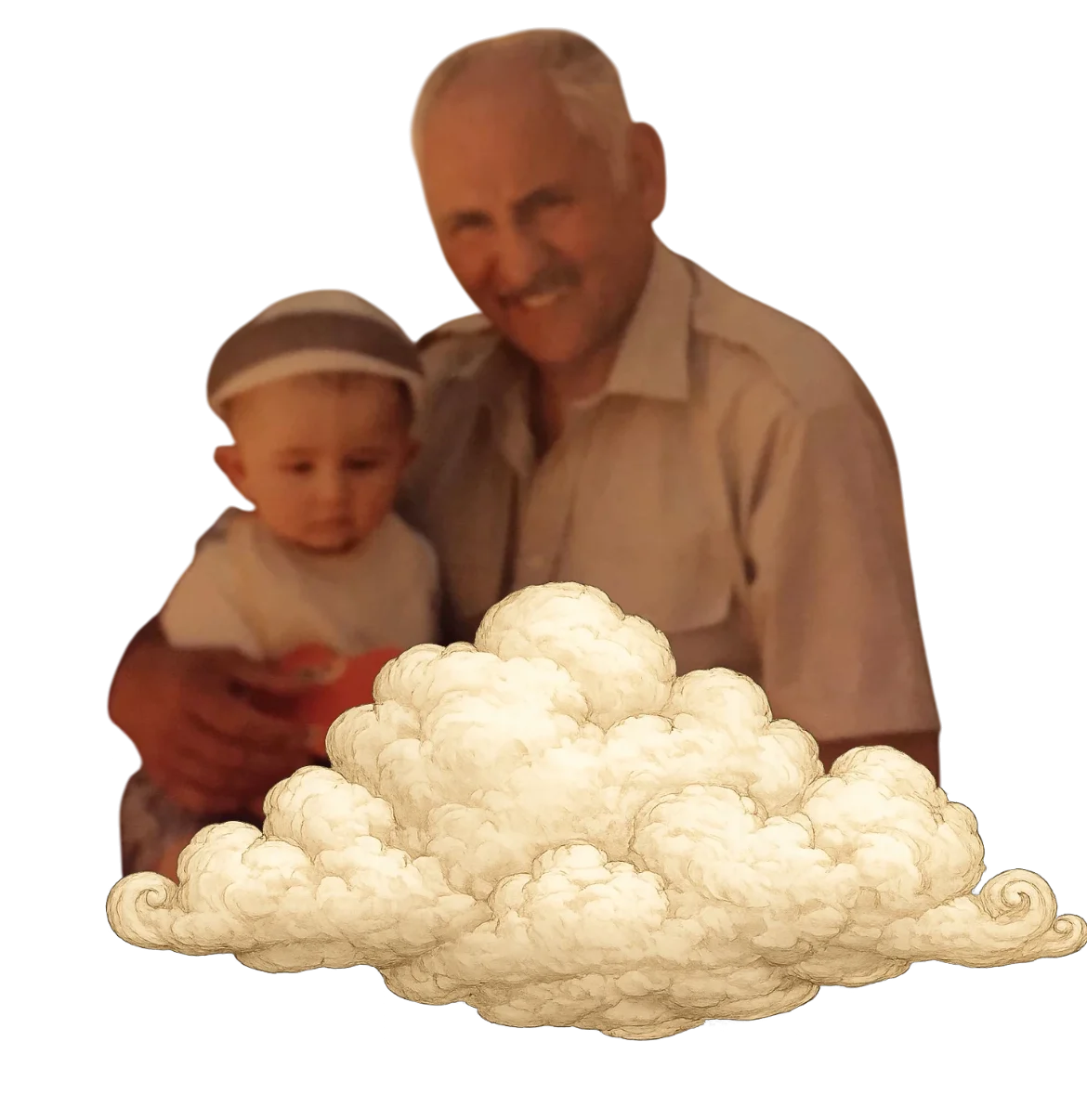
My grandad was called Momcilo. He came to England as a boy, in the war, the way a stone comes downriver: not because it chose to, but because everything behind it gave way. He was Serbian, carried out of a country that had stopped existing by the time he was old enough to miss it. He built a whole life on top of that anyway: a terrace, my nan Joan, children, us, plum trees, a smell of paprika and rakija I cannot meet anywhere on earth without being eight years old again.
And on the wall, always, the gusle. One horsehair string, a bowl of dark wood, an animal’s head at the neck worn smooth where his thumb had sat for sixty years. You sing the old songs to it, the long ones about a battle lost six hundred years ago on a field called Kosovo, in a key that sounds like mourning before you understand a word. He played it badly and beautifully, and as a kid I thought it the dreariest noise on God’s earth. I would give almost anything to hear it now.
Because the voice goes before the man does. A disease took his breath by inches, his lungs surrendering a little at a time, until a sentence had to be taken in two goes. You cannot sing the Kosovo songs on a borrowed breath, so the gusle came down off the wall less and less, and then not at all. He died early one morning with a line of oxygen at his nose and my nan’s hand in his.
When you bury someone you also empty their house. And the morning we cleared Momcilo’s, that little terrace sorted the whole family by philosophy inside an hour.
My uncle Velco wanted to keep all of it. Every chipped cup was Momcilo, a thread you could not cut without the man unravelling. He is, though he would sooner swallow the word, an Aestheticist. My mum, Tanya, felt the exact opposite. Keep the man, she said, not the clutter; a loft you cannot bear to open is not love, it is a held breath. She is a Minimalist, and she said it with tears running down her face, which is the part people forget about Minimalists. My dad did what my dad does, and saw only waste: sell what will sell, give the good coat to a man who is cold this week. And on the edge of the settee sat my nan, saying almost nothing. Not numb, and not above it. She had simply drawn a quiet line, the way she had her whole life, around the few things that were hers to govern that morning, and let the rest be. She is a Stoic, in the proper sense.
It came down, in the end, to the gusle. The one thing no logic could lay a hand on. Velco could not let the last Serbian thing leave a family that had become almost wholly English. My mum said it would only warp unplayed in the dark, and that a warping is not reverence, it is a slow second death. My dad, gently, said he knew where it could be sung: a Serbian Orthodox congregation kept its mass at St Mark’s, over in Shelton, and among them a younger man who could still set a bow to that one string. Three people who had loved the same dead man exactly the same unbearable amount, three different answers, and not one of them wrong.
That was when it landed. They were not fighting about a gusle. They were fighting from three unshakeable beliefs about what the leftovers of a life are for, and if I had handed each of them the Kwokka quiz a week earlier I could have told you, word for word, who would say what. Their personalities told me nothing. The thing that predicted the whole argument was the layer underneath. The philosophy.
Personality is the weather. It is real, and it turns over by the hour, blown about by sleep and mood and whoever just walked in. Your philosophy is the climate: the slow, deep thing that decides what the weather is even allowed to do. It is what takes the wheel the second a choice begins to cost you, the morning Pete says no, the morning a family stands in a dead man’s hallway. We spend our lives reading each other’s weather and calling it knowing someone, and almost nobody, asked plainly, can describe their own climate.
Kwokka is my attempt at a mirror for that lower layer. Not the bit that tells you that you are the charming one. The bit that would have warned my dad not to ask Pete.
My nan settled it. She had sat silent through all of it, and then she said four words, and every one of us did as we were told.
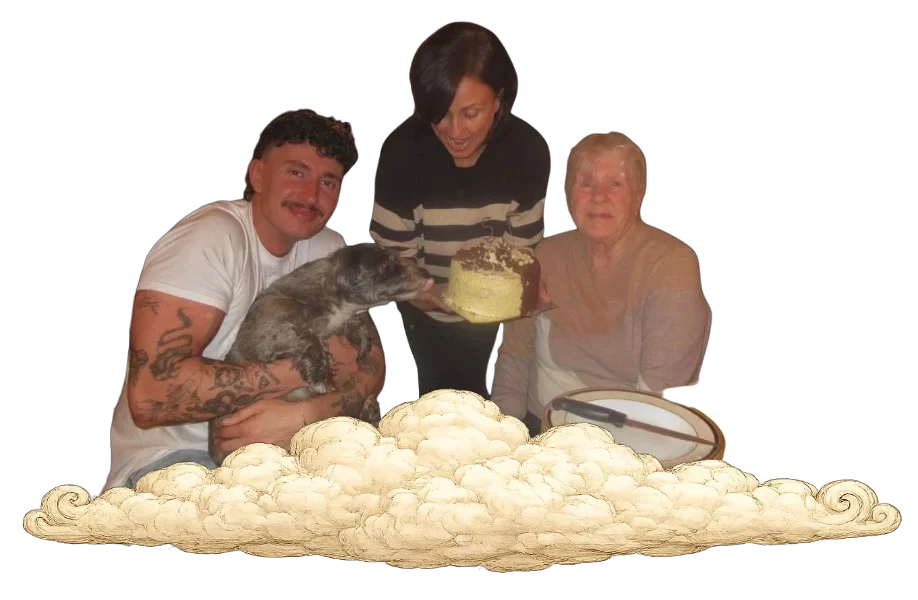
She said, “It should go home.”
So the gusle went to St Mark’s, to the congregation and the man who could still play. A boy carried out of his country in the middle of a war had, a lifetime later, the last piece of that country carried back. Not to the place, because the place is gone. To his people, which for a man with no country left is the only home there ever is. I think it is the nearest any of us came to all three philosophies being right at once, and the nearest my grandad came, in the end, to going home.
The psychology behind this, with references
Two claims, both with a solid evidence base. First, that personality is malleable. Second, that what someone treats as a moral conviction or core value is a robust predictor of how they actually behave.
- Personality shifts across the life course: Roberts, Walton & Viechtbauer (2006). Psychological Bulletin, 132(1), 1-25.
- Moral conviction drives behaviour beyond ordinary strong opinion: Skitka, Bauman & Sargis (2005). Journal of Personality and Social Psychology, 88(6), 895-917.
- Moral foundations predict political and moral conduct: Graham, Haidt & Nosek (2009). Journal of Personality and Social Psychology, 96(5), 1029-1046.
- Values motivate the behaviours that express them: Bardi & Schwartz (2003). Personality and Social Psychology Bulletin, 29(10), 1207-1220.
- Moral identity predicts moral action across 111 studies: Hertz & Krettenauer (2016). Review of General Psychology, 20(2), 129-140.
the partnership
I Flew To Sofia
So that is the why. Here is the how. The concept is mine, and it rests on the one subject I am actually qualified to have opinions about. I hold a BSc in Psychology and Criminology and an MSc in Criminology, both from the University of Southampton, a Russell Group university, with First-Class marks on both dissertations. The psychology half matters more than you might think: a quiz like this is only ever as good as its grasp of how people answer questions about themselves, which is precisely what a psychology degree spends years drilling into you. So I had the philosophy, the dilemmas, the thinker types, a whole briefing for what Kwokka should be. What I did not have was the first idea how to build any of it.
That is where Stoyan comes in. Stoyan is a Bulgarian software engineer and a friend, the sort of person who can make a machine do almost anything you can describe to him clearly enough. So I did the only sensible thing a non-coder with a head full of philosophy could do. I booked a flight to Sofia.
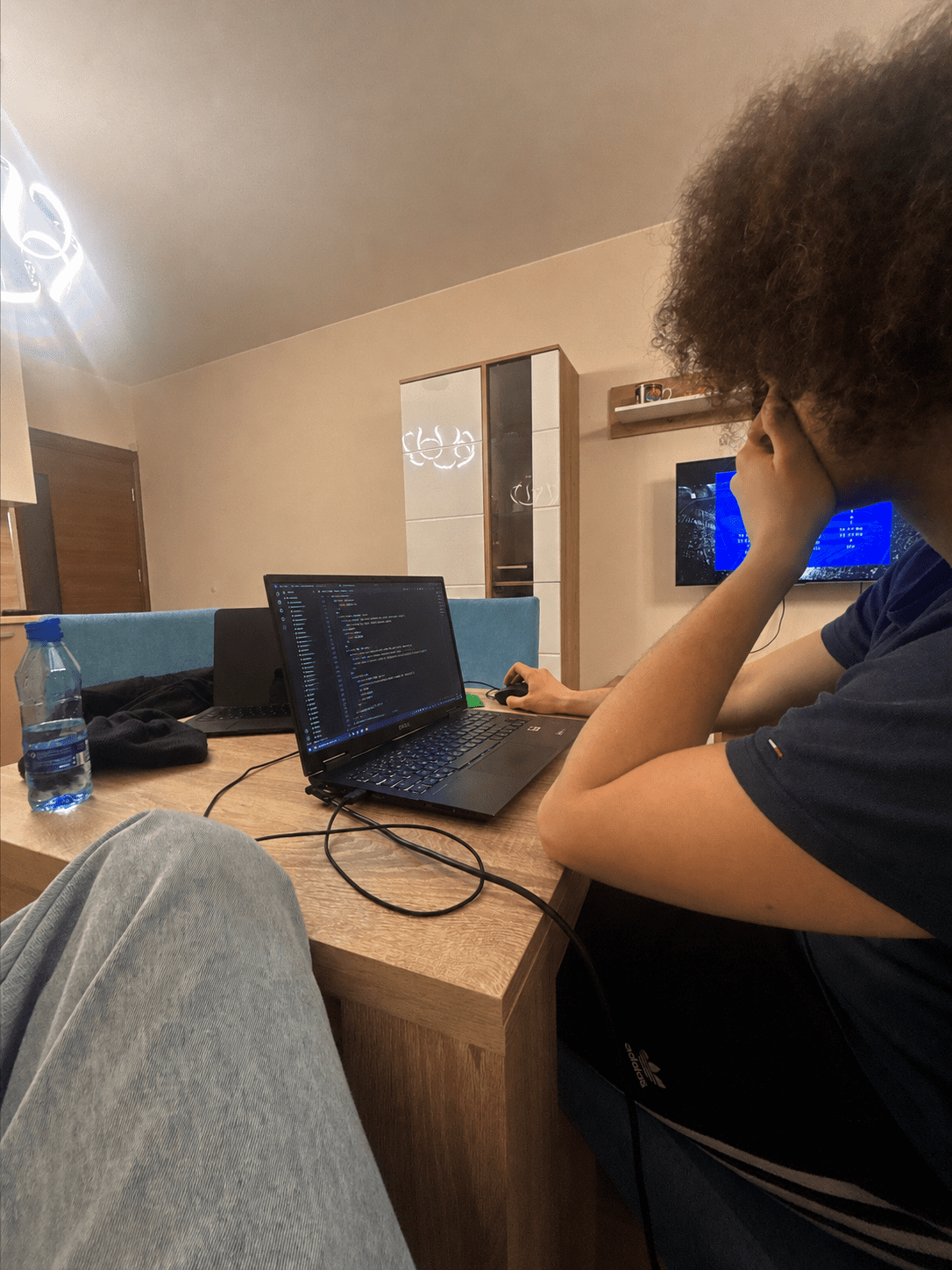
I went out to him with the entire brief under my arm: the questions, the scoring, the look of the thing, every half-formed idea I had been carrying around for months. We sat down together, I walked him through all of it, and we started to code from there. I brought the philosophy. He brought the engineering. Everything you click on exists because a psychology graduate from the Potteries and a software engineer in Sofia decided, in the same room, to make it real.
That is the split you will find credited at the foot of the site: curated by me, coded by Stoyan. And from that first session onward, it stopped being an idea and became the kind of obsession that quietly eats your calendar alive.
the build log
182 Days. One Obsession.
01 Jan 2026, 1:34pm
Project started. New year, new personality quiz about the fundamental nature of human morality. As you do.
~425 hours later
Every. Single. Day. Researching philosophy, writing quiz questions, stoyan debugging my attempt to write basic code at 2am, arguing with myself about whether a Nihilists spirit animal is a jellyfish.
02 Jul 2026, 4:03am
Finished. Too invested in completing it to fall asleep.
the plot twist
Then The Data Talked Back.
Once real people started taking it, the results did something I had not planned for. They skewed hard toward the most flattering thinker types, a textbook live demonstration of social desirability bias: the well-documented tendency to answer as the person you would like to be rather than the person you actually are, even alone on your phone with nobody watching. I wrote the whole thing up here: I Built An Entire Website To Prove A Point About A Psychology Theory. It quietly turned Kwokka into the one thing I always wanted it to be: a genuine mirror.
the anti-scam scam
Reciprocity Resistance Trainer™
Give Money. Get Nothing.
Most platforms treat you like a Pavlovian dog, dangling a “free” ebook or a digital badge to trick you into donating. Reciprocity: the psychological sleight of hand that makes you spend 30 quid on bath bombs and candles at a Christmas market just because you had a free cheese sample.
Here is the fix. This is a strictly one-way transaction: you send us money, and you receive absolutely, categorically nothing in return. A blunt, friction-heavy exercise designed to break your biological itch for a “treat” and build the rare muscle of pure, unrewarded giving.
What you get: absolutely nothing 🙂Part With Your Capital
On a real one, thank you for any donations. I will use them to do everything I can to make the site bigger, better, and more valuable than ever before.
stay in the loop